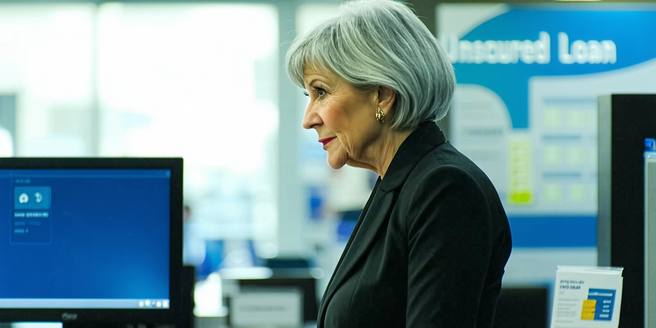
Understanding Unsecured Loans
| Aspect | Unsecured Loans | Description |
| Collateral | Not Required | Unsecured loans do not require any asset as security. |
| Interest Rates | Variable | Interest rates may be higher compared to secured loans. |
| Approval | Credit-Based | Approval largely depends on creditworthiness. |
| Loan Amount | Limited | Generally lower loan amounts are offered. |
| Repayment | Fixed Term | Usually involves fixed monthly payments over a set term. |
| Risk | Higher | Lenders assume more risk due to lack of collateral. |
Benefits of Debt Consolidation
Debt consolidation offers several advantages to those struggling with multiple debts. First, it simplifies financial management by consolidating multiple payments into a single monthly payment, making it easier to track due dates and amounts. This can reduce stress and help ensure timely payments. Additionally, debt consolidation may lead to lower interest rates compared to rates on existing debts, potentially saving money over time. This is particularly advantageous if the consolidated loan offers a fixed interest rate. Furthermore, it can potentially improve credit scores by reducing the risk of missed payments and lowering credit utilization ratios. By addressing several concerns through one payment plan, individuals can potentially free up funds for other financial goals. Debt consolidation can be an effective strategy for gaining control over finances, particularly for those with high-interest credit cards or loans.
How Unsecured Loans Work for Consolidation
Unsecured loans are a viable option for consolidating debt because they do not require the borrower to pledge any collateral. This feature makes them accessible to a wider range of applicants, especially those without valuable assets. When using an unsecured loan for consolidation, the borrower receives a lump sum which they then use to pay off existing high-interest debts. The borrower is left with a single loan to repay, often at a lower overall interest rate. Payments are structured in monthly installments over a fixed term, making them predictable and easier to manage. The lack of collateral means that lenders rely heavily on the borrower’s credit score and financial history when assessing applications, which can affect approval prospects and interest rates offered. Understanding the terms and potential costs is crucial to ensure that an unsecured loan is beneficial for debt consolidation.
Eligibility Criteria for Unsecured Loans
Eligibility for unsecured loans typically involves several key factors. Lenders primarily evaluate the applicant’s credit score, as it is indicative of their creditworthiness and ability to repay the loan. A strong credit score may increase the likelihood of approval and access to favorable terms. Additionally, lenders consider the applicant’s income and employment history to assess their repayment capacity. A stable income and consistent employment record can enhance eligibility. Debt-to-income ratio is another critical criterion; lenders prefer applicants whose existing debt accounts for a reasonable proportion of their income. While not requiring collateral simplifies the process, it also necessitates a stronger financial profile to offset the lender’s risk. Meeting these criteria not only increases the chances of getting approved but also influences the interest rates and loan amounts lenders are willing to offer.
Comparing Unsecured vs. Secured Loans
When considering debt consolidation, understanding the difference between unsecured and secured loans is essential. The primary distinction lies in asset requirements. Secured loans require collateral, such as a car or home, offering lenders security in case of default. This often results in lower interest rates and larger loan amounts, but defaulting could lead to losing the asset. Unsecured loans, on the contrary, do not require collateral, posing greater risk to lenders, which generally results in higher interest rates and smaller loan amounts. The benefit, however, is the reduced risk to the borrower’s personal assets. Borrowers with insufficient collateral or unwilling to risk property find unsecured loans appealing. Ultimately, the choice between unsecured and secured loans depends on individual circumstances, including asset availability, risk tolerance, and financial goals.
Steps to Apply for an Unsecured Loan
Applying for an unsecured loan involves several steps. Begin by assessing your financial situation to ensure an unsecured loan meets your consolidation needs. Next, check your credit score and review credit reports for inaccuracies; a good credit score improves approval chances. Research and compare lenders to find favorable terms, focusing on interest rates, fees, and repayment terms. Gather essential documents like identification, proof of income, and bank statements to expedite the application process. Complete applications accurately, providing all required information. Once submitted, the lender reviews your application, assessing creditworthiness and income stability. Approval can be quick, and if granted, carefully review loan agreements, ensuring understanding of terms and conditions. By following these steps, borrowers can successfully navigate the unsecured loan application process, consolidating debts efficiently.
Potential Risks and Considerations
While unsecured loans offer a practical solution for debt consolidation, borrowers should understand potential risks involved. The absence of collateral means higher interest rates compared to secured loans; borrowers might pay more over the loan’s life. Additionally, qualifying for an unsecured loan often requires a strong credit score, potentially limiting options for those with less favorable credit histories. Another risk involves over-reliance on borrowing, which might lead to a cycle of debt if underlying financial habits remain unchanged. Furthermore, consolidating debt into a single loan may result in longer repayment terms, extending the period of indebtedness. Borrowers should also be vigilant about hidden fees or prepayment penalties that could increase overall costs. It is crucial to conduct a thorough assessment of personal finances and lender offers to determine if consolidating with an unsecured loan aligns with long-term financial goals.
Impact on Credit Score
The decision to consolidate debt using an unsecured loan can have both positive and negative impacts on a credit score. Initially, applying for a new loan triggers a hard inquiry on your credit report, which might cause a temporary dip in the credit score. However, successfully consolidating high-interest debts into a single monthly payment can lead to significant benefits. It helps improve credit utilization ratio, as the reduction of revolving credit balances can boost your score. Ensuring timely payments on the new loan is crucial, as timely repayments positively affect payment history, which is a significant factor in credit score calculations. It is important for borrowers to maintain discipline in managing consolidated debt to see long-term improvements in their creditworthiness. Potential borrowers should consider these impacts when deciding if debt consolidation aligns with their financial strategies.
Tips for Managing Consolidated Debt
Effectively managing consolidated debt is essential to maximize the benefits of debt consolidation. Begin by creating a comprehensive budget that accounts for the consolidated loan repayment alongside other living expenses, preventing overspending. Setting up automatic payments ensures timely payments, avoiding late fees and keeping accounts in good standing. It is also critical to refrain from accruing new debt during repayment to avoid undermining the consolidation’s purpose. Regularly reviewing credit reports can help identify and correct inaccuracies, while maintaining an awareness of credit score trends. Engaging with financial education resources or consulting a financial advisor can provide valuable insights and strategies for maintaining financial discipline. Staying committed to a structured repayment plan and cultivating prudent financial habits can ensure successful debt management and progress towards financial stability.
Common Misconceptions About Debt Consolidation
Debt consolidation, while beneficial, is often surrounded by misconceptions that can mislead potential borrowers. One common myth is that it eliminates debt; in reality, it restructures it into a more manageable form, not reducing the principal amounts owed. Some believe consolidation damages credit scores, but when managed properly, it can eventually lead to credit improvements. Another misconception is that it is only for individuals with poor financial health; however, debt consolidation can be strategic for anyone seeking to simplify finances or reduce interest payments. People often assume unsecured loans for consolidation are hard to get, yet they are accessible to those with decent credit scores. Clearing up these misunderstandings enables individuals to make informed decisions about whether debt consolidation fits their financial scenario, seeking professional advice if necessary.