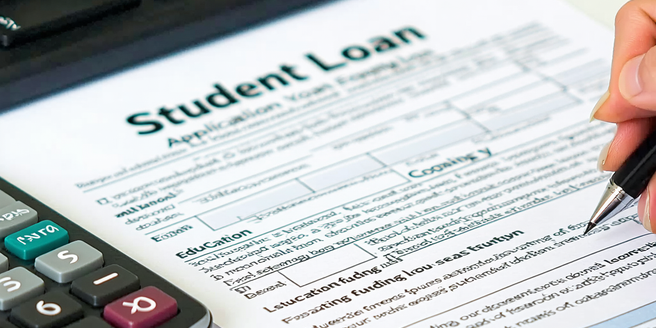
Understanding the Basics of Educational Loans
Educational loans are designed to help students cover the costs associated with higher education. They typically cover tuition fees, books, and living expenses, offering students a chance to pursue education without immediate financial burden. It’s essential to understand the types of loans available, such as federal and private loans, each with unique terms. Interest rates, repayment options, and eligibility criteria vary significantly, influencing long-term financial commitments. Federal loans often offer benefits like lower interest rates and flexible repayment plans, making them more accessible for many students. Private loans, offered by banks and financial institutions, may require a co-signer and typically have higher rates. Understanding these basics can help you make informed decisions about funding your education and managing debts effectively.
Comparing Different Types of Educational Loans
When exploring educational loans, understanding the differences between federal and private loans is crucial. Federal loans, backed by the government, often provide more favorable terms, lower fixed interest rates, and flexible repayment options. They are typically easier to qualify for, regardless of credit history, and may include options like subsidized loans, where interest is paid by the government while you’re in school. Conversely, private loans, offered by private lenders, are credit-based, potentially leading to higher or variable interest rates. They might offer less flexibility in repayment terms but can be used to cover expenses beyond federal loan limits. Comparing loan types enables you to tailor financial aid packages that align with your educational goals and budget, considering both immediate needs and long-term repayment strategies.
Steps to Apply for an Educational Loan
Applying for an educational loan requires careful planning and organization. Start by assessing your financial needs and determining how much you require to cover educational expenses. For federal loans, complete the Free Application for Federal Student Aid (FAFSA) form, outlining your financial status to assess aid eligibility. The FAFSA process is critical for securing federal aid and often necessary even for some private loans. Once your FAFSA is processed, you’ll receive a Student Aid Report (SAR) detailing your eligibility for federal grants and loans. Evaluate this information and consult with your school’s financial aid office to explore additional options. For private loans, research lenders, compare interest rates and terms, and prepare necessary documentation, such as income verification and credit reports. Understanding each step will streamline the application process and enhance your loan acquisition strategy.
Managing Your Educational Loan Post-Approval
Once your educational loan is approved, effective management is crucial to avoid financial stress. Start by understanding the terms and conditions, including repayment schedules, interest rates, and any grace periods offered. Establish a budget to track income and expenses, ensuring loan payments are prioritized alongside other financial commitments. Utilize resources provided by your lender, such as automatic payment options or loan servicer support, to keep your loan in good standing. Consider setting up a dedicated account to manage loan payments, especially if coordinating multiple loan responsibilities. Regularly monitor your loan balance and keep records of all transactions, enabling proactive management and informed financial decisions. Effectively managing loans post-approval not only eases immediate financial pressure but also enhances long-term financial stability as you transition from education to your professional career.
Strategies for Repaying Your Educational Loan
Developing a strategy for repaying your educational loan is essential for financial health. Begin by understanding repayment schedules and choosing a plan that fits your current and future financial situation. Federal loans offer various repayment plans, including income-driven options that adjust your monthly payment based on income and family size. Consider consolidating multiple loans into one, simplifying payments and possibly lowering monthly installments. Alternatively, refinancing with private lenders might secure lower interest rates if your creditworthiness has improved. Strive to make payments during grace periods or pay more than the minimum to reduce principal quicker and save on long-term interest. Stay informed about potential loan forgiveness programs you may qualify for, particularly if entering public service sectors. Effective repayment strategies are key to minimizing debt burden and building a secure financial future.
Frequently Asked Questions About Educational Loans
Educational loans often trigger numerous questions among prospective students. Common queries involve eligibility criteria, terms of federal versus private loans, and repayment obligations. Understanding requirements such as credit scores for private loans or enrollment status for federal aid is crucial. Loans typically accrue interest, and understanding how rates and calculations work can demystify financial obligations. Questions about repayment plans and the potential for loan forgiveness, especially for certain public service careers, are also frequent. Additionally, students often inquire about how loans impact credit scores and the steps they can take to mitigate negative effects. Addressing these frequent questions helps students make informed decisions regarding their education financing, fostering a sense of financial literacy and preparedness as they navigate their academic journey.
