Understanding the Debt Cycle
Entering the debt cycle often starts with the necessity for quick cash or a financial emergency. Borrowers might initially take a small loan without fully realizing the potential long-term consequences. Over time, if these loans are not managed well, they multiply and create a cycle that is hard to escape. Each missed payment or accrued interest adds to the total debt, making it more difficult to make ends meet. This cycle perpetuates financial difficulty, as increasing debt reduces disposable income, leading borrowers to take out more loans to cover outstanding debts. Understanding how this cycle starts and perpetuates is critical to finding a way out and preventing initial debt from blossoming into a more significant financial burden.
Types of Loans and Their Impact
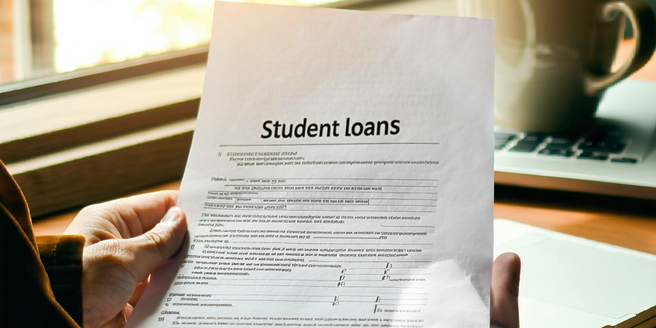
Loans come in various forms, with each type having unique terms and conditions that affect borrowers differently. Common loan types include personal loans, student loans, mortgages, and credit card debt, each with varying interest rates and repayment terms. Secured loans, like those against property, generally offer lower interest rates but come with the risk of asset loss if unpaid. In contrast, unsecured loans may have higher interest rates but lack collateral requirements. Selecting the right loan type requires careful consideration of one’s current financial obligations and future goals. The type of loan chosen can significantly impact the borrower’s financial situation, influencing repayment ability and contributing to the overall debt burden. Understanding the distinctions between loan types helps individuals make informed borrowing decisions tailored to their financial health.
The Psychology Behind Borrowing
Psychological factors often play a significant role in borrowing decisions, influencing how individuals perceive debt and financial obligations. Emotions such as stress, shame, or even the desire to achieve lifestyle goals can drive borrowing behavior beyond rational limits. Cognitive biases, like over-optimism about future income or the downplaying of interest rates, contribute to individuals taking on unmanageable debt. Feeling financially secure can sometimes overshadow realistic appraisals of one’s ability to repay borrowed funds. Additionally, people’s self-esteem can be affected by their financial status, further influencing borrowing choices. Social pressures and advertising also exacerbate the desire to borrow to maintain certain standards. Understanding these psychological influences is crucial for recognizing personal borrowing patterns, which can help mitigate unsustainable debt and encourage responsible financial practices.
Warning Signs of a Debt Spiral
A debt spiral can be insidious, developing slowly as financial pressures mount. Warning signs often include relying on multiple credit sources to meet monthly expenses, regularly borrowing to pay off existing debt, or using high interest loans to cover basics. Missing or delaying payments, experiencing an increase in financial anxiety, and having little savings to buffer emergencies are also indicators. Ignoring these warning signs can lead to financial ruin if not addressed promptly. As debts accumulate, they become harder to manage, increasing stress and decreasing quality of life. Identifying these red flags early allows individuals to take corrective actions such as budgeting, seeking financial advice, or consolidating debts to regain control before falling into an unmanageable debt cycle.
High-Interest Rates: A Double-Edged Sword
High-interest rates can feel like a double-edged sword, offering both potential benefits and significant risks. While they can offer greater yields for saving accounts, they pose a daunting challenge for borrowers. High rates increase the cost of borrowing, leading to larger repayment amounts and prolonged debt periods. Consequently, individuals may need to reassess their budgets and spending habits. This can severely impact one’s financial health by escalating existing debt burdens and diminishing purchasing power. On the brighter side, they can encourage saving, but often the burden outweighs the benefits for those already in debt. Understanding the broader economic context can also help in navigating these challenging financial waters. Carefully considering the implications of high-interest rates is essential to managing finances and making prudent borrowing decisions.
The Role of Credit Scores in Loan Decisions
Credit scores are vital in shaping a borrower’s ability to access loans and the interest rates they will be offered. These scores are a measure of an individual’s creditworthiness, reflecting their history of debt repayment, credit utilization, and other social factors. Maintaining a healthy credit score is essential for financial stability and growth. With the right credit habits, individuals can significantly enhance their financial opportunities. High scores can lead to better loan terms, with lower interest rates and more flexibility in repayment schedules. Conversely, low scores often result in higher rates and restrict loan options. Improving one’s credit score through timely payments and responsible credit use is crucial for gaining favorable loan terms and avoiding high-interest burdens that contribute to the debt cycle.
Breaking Free from the Debt Trap
Breaking free from the debt trap involves a combination of strategic planning and proactive financial management. The first step is recognizing the severity of the problem and the need for change. It is important to acknowledge that overcoming debt is a gradual process and requires patience. Individuals must develop a realistic budget that prioritizes debt repayment while cutting non-essential expenses. Regularly reviewing your expenses can help identify areas where further cuts can be made. Negotiating with creditors for lower interest rates or consolidation loans can also help. Additionally, financial literacy programs and counseling provide valuable support and guidance. Eventually, discipline in sticking to the plan and seeking help when necessary play crucial roles in escaping from debt and gaining financial freedom.
Alternatives to Traditional Loans
Exploring alternatives to traditional loans can provide better financial solutions for those wary of high interest and strict terms. Options include peer-to-peer lending, which offers more flexible terms and rates often lower than banks. Credit unions might provide personal loans with favorable conditions compared to traditional banks. Additionally, fintech companies are becoming popular for their seamless online lending platforms. Moreover, using these alternatives can promote financial literacy by encouraging borrowers to assess diverse lending avenues. Additionally, borrowing against life insurance policies or tapping into emergency funds can serve as temporary financial relief, circumventing typical loan stipulations. These alternatives might offer strategic advantages by minimizing the financial strain commonly associated with conventional loans, thereby reducing the likelihood of spiraling into further debt.
Managing Repayment Effectively
Effective repayment management is essential to easing debt burdens and preventing escalation. It involves creating a detailed budget that outlines all expenses and prioritizes loan payments. Establishing an emergency fund can offer security and prevent the need for additional loans in the face of unexpected expenses. Seeking advice from financial experts can provide valuable insights and strategies tailored to individual circumstances. Regularly reviewing financial goals and progress can help keep individuals on track. Utilizing tools such as autopay can ensure no payment is missed, which also aids in maintaining a good credit score. Additionally, refinancing or consolidating loans at lower interest rates can reduce monthly payments and overall debt. By managing repayment proactively, individuals can alleviate financial stress and improve their long-term economic stability.
Conclusion: Making Informed Borrowing Decisions
Informed borrowing is critical in avoiding the pitfalls of debt cycles and ensuring financial well-being. This involves a comprehensive understanding of the types and terms of loans, interest rates, and personal financial health. It is essential to continuously educate oneself on changing financial regulations and market trends. Seeking advice from a financial advisor can also provide valuable insights and guidance. Evaluating the need for a loan and the ability to repay, alongside awareness of potential alternatives, can prevent impulsive borrowing decisions. Staying educated about financial principles helps individuals identify warning signs of debt spirals and extricate themselves swiftly. By being vigilant and informed, borrowers can make decisions that protect their financial future and foster sustainable economic practices.
