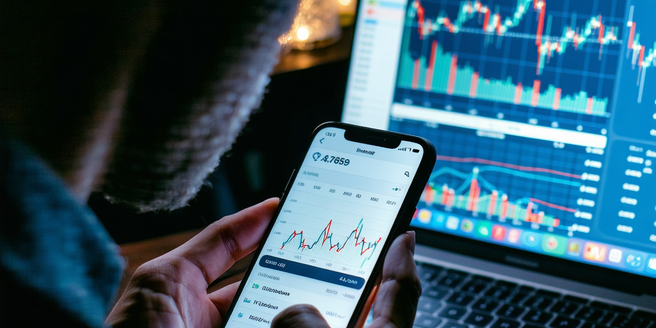
Understanding Digital Financial Tools
| Tool Name | Purpose | Platforms |
| Mint | Budgeting and expense tracking | Web, iOS, Android |
| Acorns | Micro-investment | iOS, Android |
| YNAB (You Need A Budget) | Budget management | Web, iOS, Android |
| Robinhood | Stock trading | Web, iOS, Android |
| Personal Capital | Wealth management | Web, iOS, Android |
| Debt Payoff Planner | Debt reduction planning | iOS, Android |
Benefits of Integrating Technology in Finance
Integrating technology into finance offers numerous advantages that can revolutionize the industry for consumers and businesses alike. For starters, it significantly enhances efficiency by automating repetitive tasks, such as data entry and reporting, allowing financial professionals to focus on more strategic activities. Advanced algorithms and AI can process vast amounts of data faster than humanly possible, aiding in accurate forecasting and risk management. Moreover, technology fosters greater accessibility, empowering consumers to manage their finances more easily through apps and online platforms. This increased accessibility is particularly transformative for underserved communities, opening doors to financial inclusion. Additionally, the integration of blockchain technology enhances security by providing transparent and immutable transaction records. On a broader scale, technology allows for better personalization of financial services, offering tailored solutions to meet individual needs, ultimately improving customer satisfaction and loyalty.
Top Digital Tools for Budgeting
In the ever-evolving world of personal finance, leveraging digital tools can be a game-changer when it comes to effective budgeting and financial planning. One of the top digital tools is **Mint**, a comprehensive app that aggregates all your financial accounts, offers seamless budget tracking, and provides detailed spending insights, ensuring you stay on top of your financial goals. **YNAB (You Need A Budget)** offers a slightly different approach by helping you build a proactive budgeting strategy, teaching you to assign every dollar a job, ultimately eliminating living paycheck-to-paycheck. For those who prefer a hands-on approach, **EveryDollar** offers a streamlined, zero-based budgeting method that helps users track spending down to the last cent with ease. Lastly, **PocketGuard** keeps things simple by automatically calculating how much money is available for spending without exceeding your budget limits. With these tools, financial stability becomes more attainable and less daunting.
Investment Platforms for Beginners
Embarking on your investment journey can be both exciting and daunting, especially with the myriad of platforms available to beginners today. When selecting an investment platform, it is crucial to consider ease of use, educational resources, and fee structures. Platforms like Robinhood and E*TRADE offer user-friendly interfaces that simplify the trading process, making them ideal for novices. Meanwhile, platforms such as Fidelity and Charles Schwab provide robust educational resources, including articles, webinars, and tutorials, helping investors build a foundational understanding of the market. Additionally, considering the fee structures is vital to maximize returns; some platforms offer low commission fees, while others might offer commission-free trades on certain assets. Ultimately, the best platform empowers beginners to trade confidently, armed with knowledge and tools tailored to foster financial growth and literacy.
Using Apps for Debt Management
In today’s digital age, managing debt can be significantly streamlined through the use of specialized apps designed for debt management. These apps are essential tools for individuals seeking to organize, track, and ultimately pay down their debt in a more efficient manner. One of the primary benefits of using such apps is the ability to centralize all financial information in one interface. This allows users to have a clear overview of their debt, current balances, and interest rates. Many apps also offer budgeting features, which can help users allocate funds effectively to meet their financial goals. Additionally, these apps often send reminders for upcoming payments, helping to avoid costly late fees. Some even provide personalized insights and recommendations based on individual spending habits, which can be pivotal in curbing unnecessary expenses and directing more resources toward debt repayment.
Securing Your Financial Data Online
In today’s digital age, securing your financial data online is more critical than ever. With the convenience of online banking and financial transactions comes the heightened risk of cyber threats. To safeguard your sensitive information, start by using strong, unique passwords for each of your accounts. Consider a reputable password manager to simplify the process. Implementing two-factor authentication adds an additional layer of security, requiring a second form of identification beyond just a password. Always ensure that the websites you use are secured with HTTPS, which encrypts the data exchange between your browser and the website. Regularly update your devices and software to protect against vulnerabilities exploited by cybercriminals. Additionally, be cautious of phishing attempts—avoid clicking on links or downloading attachments from unfamiliar emails. By adopting these practices, you protect your financial data and contribute to a more secure online environment.
Tracking Expenses with Mobile Applications
In today’s fast-paced digital age, keeping track of personal expenses has never been easier, thanks to the myriad of mobile applications designed to manage your finances on the go. These apps offer a seamless way to record, categorize, and analyze spending habits with just a few taps. By utilizing these tools, users can gain valuable insights into their financial behavior, helping them make informed decisions about budgeting and saving.
Mobile apps like Mint, PocketGuard, and YNAB (You Need A Budget) provide real-time tracking, enabling users to sync bank accounts and credit cards directly for a comprehensive view of their financial landscape. They also offer budgeting features that can automatically suggest categories or limits based on past spending patterns. Notifications and alerts ensure users stay updated on their spending limits or unusual transactions, fostering financial discipline and security. Overall, these applications not only simplify expense tracking but also promote financial literacy and long-term wealth management.
Automating Savings with Digital Solutions
In today’s fast-paced digital era, automating savings through innovative digital solutions has become a game-changer for individuals seeking to streamline their financial health. Gone are the days of manually transferring money into savings accounts or poring over spreadsheets to track expenses. With the rise of fintech apps and platforms, saving is now a seamless, hands-off process. These digital solutions offer features like setting automated transfers, rounding up purchases to save spare change, or customizing alerts for savings goals. Such tools not only enhance convenience but also build financial discipline effortlessly. By automating savings, individuals are more likely to set aside consistent amounts over time, gradually building a financial cushion without even realizing it. Additionally, the automation of savings can help individuals mitigate the temptation to spend impulsively, ensuring that their financial objectives are met with minimal effort and maximum efficiency.
Real-time Financial Monitoring Tools
In today’s fast-paced financial landscape, real-time financial monitoring tools are indispensable for individuals and businesses alike. These tools provide instantaneous access to financial data, enabling users to make informed decisions without delay. By leveraging advanced technologies like AI and machine learning, real-time monitoring tools can track market trends, alert users to significant changes, and predict future financial scenarios with unparalleled accuracy. This immediacy in data processing eliminates the lag between market shifts and user awareness, allowing investors to capitalize on opportunities and mitigate risks more effectively. Moreover, these tools often come with customizable dashboards that cater to individual needs, offering insights into cash flow, expenses, and financial health at a glance. As the financial markets continue to evolve, having real-time visibility into financial activities becomes not just an advantage, but a necessity for maintaining a competitive edge.
Future Trends in Digital Financial Planning
As technology continues to revolutionize every aspect of our lives, the realm of digital financial planning is set to undergo transformational changes. One of the most significant future trends is the integration of artificial intelligence and machine learning into financial advisory services. These technologies will provide personalized financial advice by analyzing vast amounts of data in real time, allowing individuals to make informed decisions swiftly and accurately. Furthermore, the rise of blockchain technology promises to enhance transparency and security in financial transactions, thereby increasing trust in digital platforms. Another trend is the development of user-friendly apps that cater to the growing number of tech-savvy millennials and Gen Z, who demand seamless, anytime-anywhere financial solutions. Lastly, sustainable and ethical investment platforms are gaining traction, allowing users to align their financial goals with their values, promoting long-term social and environmental responsibility.