Understanding Cashback: A Quick Overview
| Year | Popular Platforms | Growth Rate |
| 2018 | RetailMeNot, TopCashback | 12% |
| 2019 | Rakuten, Honey | 15% |
| 2020 | Ibotta, Rakuten | 20% |
| 2021 | Dosh, BeFrugal | 22% |
| 2022 | Cash App, Honey | 18% |
| 2023 | PayPal, Ibotta | 25% |
The Rise of Cashback in E-Commerce
As e-commerce continues to grow exponentially, cashback offers have become an enticing proposition for consumers worldwide. The convenience of online shopping coupled with the added advantage of getting a percentage of the purchase back has reshaped how people approach spending. With the rise of digital wallets and online payment gateways, earning cashback has become seamless, often integrated into checkout processes, making it easier for consumers to reap benefits without cumbersome procedures. This surge in cashback utilization indicates a trend where both retailers and consumers find mutual benefits—retailers enjoy increased traffic and sales volume, while consumers gain monetary rewards. Such dynamics have transformed the e-commerce landscape, embedding cashback as a staple bonus feature for digital shoppers across various platforms.
Key Players in Holiday Cashback Offers
During the holiday season, certain platforms outshine the rest when it comes to cashback rewards. Rakuten, often referred to as the ‘pioneer’ in cashback domains, offers enticing deals that revolve around popular festive shopping events. Similarly, Ibotta and Honey provide attractive offers, partnering with several top-tier brands to enhance their allure. Each platform competes to deliver the best value propositions, from instant rebates to additional coupon code integrations. The competition intensifies as retailers strategize to draw more shoppers through exclusive partnerships and flash deals. The key players maintain their significance by forging direct relationships with popular e-commerce sites, ensuring that consumers receive credible and lucrative cashback options tailored to their holiday shopping needs. This competitive environment amplifies during peak shopping days, making them exciting yet crucial for consumer decision-making.
How Millennials Influence Cashback Trends
Millennials, known for their tech-savvy nature and pursuit of value deals, significantly influence the dynamics of the cashback market. Their inclination towards mobile-first solutions and frequent online shopping provides ample opportunities for cashback platforms to grow. By embracing digital wallets and being proponents of minimalistic living, millennials prioritize cashback as a method to financially optimize their spending habits. This generation’s preference for swift transactions and real-time savings opportunities aligns perfectly with the rapid nature of cashback applications. The ripple effect of millennials’ spending patterns can be observed across multiple layers of the retail landscape, as their collective inclination towards savings accelerates the expansion and adaptation of comprehensive cashback programs that cater to their unique consumption styles.
The Role of Mobile Apps in Cashback Shopping
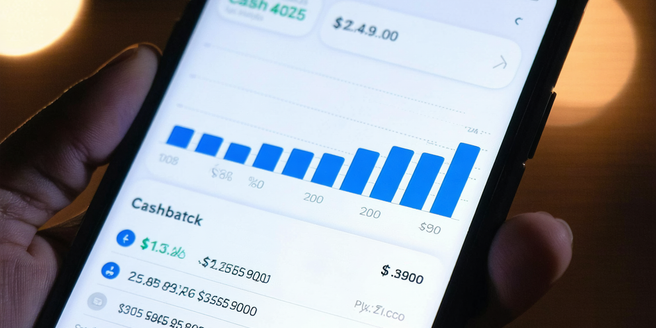
Mobile applications form a critical foundation in modern cashback strategies, offering consumers flexibility and accessibility. As mobile device usage surges, app developers continue to craft innovative solutions, placing cashback opportunities directly at consumers’ fingertips. Apps like Dosh and PayPal integrate seamlessly within the shopping experience, providing instant notifications about potential savings. Push notifications alert users about time-sensitive deals, ensuring that they maximize their cashback potential effortlessly. In a world dominated by mobile technology, these applications serve as essential tools, constantly evolving to meet user demands. By leveraging GPS and personalization algorithms, mobile apps can offer discounts and cashback for local stores, tailoring experiences to specific user locations and preferences, hence revolutionizing traditional shopping into a digital, cashback-focused journey.
Analyzing Seasonal Variations in Cashback Deals
Seasonal shifts demonstrate significant variations in cashback offers, aligning marketing strategies with consumer moods and spending potential. For instance, during Black Friday or Cyber Monday, platforms ramp up the percentage of cashback to garner heightened attention from shopping enthusiasts. Seasonal holidays such as Christmas and Thanksgiving witness similar trends due to increased transaction volumes. Brands might double or triple usual cashback incentives during these busy periods to stay competitive and attract purchase intentions. Outside of major holidays, retailers maintain a steady stream of offers to maintain engagement, but the intensity typically decreases. These cyclical patterns emphasize the importance of strategic planning by both consumers and businesses to seize the optimal cashback opportunities as they arise throughout different periods in the shopping calendar.
Comparing Cashback Programs: Top Credit Cards
Credit card companies play a pivotal role in popularizing cashback deals, often tying their reward systems to encourage loyal spending. Leading credit cards such as Chase Freedom and Discover it excel in offering consumers tiered cashback rates on specific categories, ranging from groceries to fuel. By aligning cashback features with popular spending habits, these cards ensure that users benefit from everyday purchases. Competitions among card issuers foster an environment where percentage returns are pushed higher, with some promotions offering double cashback for the first year. These reward programs augment user experiences by integrating straightforward redemption processes, empowering consumers to claim accrued benefits seamlessly. Therefore, selecting the right credit card becomes an integral part of maximizing cashback returns, encouraging informed decision-making based on individual spending profiles.
The Psychology Behind Cashback: Why It Works
The success of cashback strategies can be largely attributed to psychological triggers that drive consumer behavior. Getting a reward for spending creates positive reinforcement, encouraging repeat purchases. The act of receiving money back provides a sense of gratification, making consumers feel like they have managed to save even as they spent. This dichotomy plays into cognitive biases where the immediate reward of cashback can overshadow more prudent financial planning. Furthermore, these offers can create a sense of urgency, as limited-time deals compel swift action, motivating purchases. Consumers often view cashback as an opportunity to justify spending on desired items, hence driving sales. Thus, the emotional satisfaction tied to earning cashback nurtures customer loyalty, ensuring brand allegiance and repeated visits.
Cashback Strategies for Maximal Savings
Maximizing cashback earnings involves a strategic approach to spending and leveraging available financial tools. By prioritizing expenditure through platforms and services that offer higher cashback returns, consumers can significantly enhance their savings. It is crucial to combine cashback offers with existing deals, such as coupons and promotional discounts, to elevate the overall value received per transaction. Additionally, utilizing online aggregation sites that list various cashback opportunities can aid in identifying the best deals. Being mindful of terms and exclusions, such as transaction minimums and specific category bonuses, allows users to navigate offers more effectively. By keeping track of promotional periods and benefiting from loyalty reward integrations, users can systematically improve the overall financial benefits earned solely from everyday shopping activities.
Future Trends: The Evolution of Cashback Programs
As technology advances, the future of cashback programs looks toward incorporating artificial intelligence and blockchain for enhanced security and personalization. AI can refine targeted offers, suggesting cashback deals tailored according to user preferences and past behaviors. Blockchain may introduce transparent systems that promise secured transactions, appealing to privacy-conscious consumers as user data handling becomes more pivotal. Moreover, there is potential for integrating cryptocurrency rewards, enabling varied redemption options. This evolution predicts a shift towards seamless integrative experiences, embedding cashback within automated financial platforms to expand their reach. The convergence of these technologies promises innovative pathways, ensuring cashback strategies remain exciting, relevant, and beneficial in an ever-changing digital economy landscape, continuously catering to evolving consumer expectations.