Understanding Bad Credit and Its Impact on Loan Approval
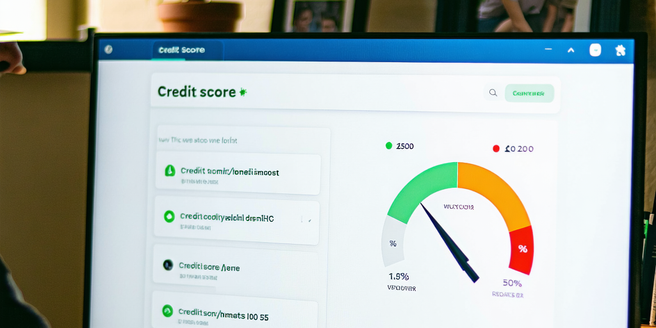
| Credit Score Range | Definition | Impact on Loans |
| 300-579 | Poor | High risk, low approval chance |
| 580-669 | Fair | Moderate risk, moderate approval chance |
| 670-739 | Good | Low risk, high approval chance |
| 740-799 | Very Good | Very low risk, very high approval chance |
| 800-850 | Excellent | Extremely low risk, very best terms |
Exploring Emergency Loan Options for Bad Credit
When you’re facing financial hardship, the urgency for funds can be overwhelming. Emergency loans are designed to provide quick relief, but for individuals with bad credit, securing these loans can be difficult. Many people find themselves in stressful situations where every minute counts. However, various lenders cater to high-risk borrowers by offering specific loan types such as payday loans, title loans, or unsecured personal loans. These options often come with higher interest rates and usually require proof of income or employment to offset the credit risk. Evaluating the terms and conditions is crucial to ensure you are not entering into exploitative loan agreements. Before committing, use online platforms to compare offers, interest rates, and repayment terms.
How to Qualify for Emergency Loans with Bad Credit
Qualifying for an emergency loan with bad credit requires strategic preparation. Start by checking your credit report for errors and dispute any inaccuracies. Next, gather documentation that showcases your ability to repay, such as proof of income, employment stability, and existing assets. It’s important to assess different loan options and understand their interest rates and fees. Consider improving your credit score by paying down existing debts before applying. It’s also beneficial to maintain consistent communication with prospective lenders, demonstrating your commitment to meeting repayment terms. Some lenders might require a cosigner with better credit, which can improve your approval chances. Exploring credit unions or online lenders that specialize in bad credit loans might also provide more favorable terms.
The Role of Credit Scores in Emergency Loan Applications
Credit scores play a critical role in the loan approval process as they indicate to lenders your creditworthiness. A high credit score implies a history of managing credit well, which reassures lenders of your ability to repay loans. Conversely, a low score poses a higher risk, often leading to higher interest rates or loan denials. It’s important to regularly review your credit report for any inaccuracies. Understanding the factors that influence your credit score can help you make informed decisions to improve it. Familiarize yourself with how your specific credit score range affects loan agreements. While a low score doesn’t entirely bar you from opportunities, it can limit the type of lending products available and may necessitate additional assurances or collateral.
Comparing Lenders: Finding the Right Emergency Loan
The lender you choose significantly influences the terms of your emergency loan. When comparing lenders, consider factors beyond interest rates, such as flexibility in repayment terms, fees, and penalties. It’s also wise to evaluate the lender’s reputation in the industry. Research if they offer customer support and if there have been complaints or legal actions against them. Additionally, consider whether the lender has a convenient online platform for managing your loans. Online reviews and Better Business Bureau ratings can also provide insight. Some lenders offer pre-qualification tools, which allow you to check potential rates without impacting your credit score, thus providing a clearer picture of what to expect before making a final decision.
Tips for Improving Your Credit Score Before Applying
Improving your credit score before applying for a loan can significantly impact the terms and ease of approval. Start by paying down existing debt and ensuring all bills are paid on time. Reducing your credit utilization ratio below 30% of your credit limits can yield positive changes in your score. It’s also beneficial to understand how different factors influence your credit score. Knowing your credit score range can help set realistic goals for improvement. Avoid opening new credit lines or closing old accounts abruptly, which can harm your score. Consistently check your credit reports to monitor progress and correct inaccuracies. These efforts, albeit long-term, help in building a reliable financial persona, improving your standing with prospective lenders.
Common Mistakes to Avoid When Applying for Loans
Avoiding common pitfalls can save time and potential financial strain when applying for loans. Firstly, failing to compare different lenders might leave you locked into unfavorable terms. Secondly, providing inaccurate information can lead to loan denial or, worse, hinder future applications. It’s essential to understand the loan terms fully; many applicants overlook fine print, resulting in hidden fees and unwanted surprises. To mitigate these risks, consider seeking advice from a financial advisor. Thorough research is crucial to finding the best loan option suited to your needs. Additionally, applying for multiple loans simultaneously can negatively affect your credit score. Lastly, ensure you have a clear repayment strategy to avoid collections or asset forfeitures.
The Application Process: What to Expect
When you initiate the loan application process, expect to provide detailed financial evidence, including your income, employment status, and any outstanding debts. Most lenders will conduct a credit check before offering terms. Be prepared for a detailed review period during which the lender verifies your information. It’s wise to compare offers from multiple lenders to secure the best terms available. Additionally, consider consulting a financial advisor to gain insights into the potential impacts of the loan on your overall financial health. Once approved, funds typically disburse rapidly, but be sure you understand when your first repayment is due and the method of repayment. Knowing these details in advance helps in maintaining a structured budget and enforcing financial discipline during the loan term.
Alternatives to Emergency Loans for Bad Credit
If obtaining an emergency loan seems too costly or challenging, consider alternatives that might better suit your financial situation. Building an emergency savings fund, exploring peer-to-peer lending options, or seeking help from community support programs can offer immediate assistance. Many communities provide non-profit programs designed to aid those in financial distress without accruing additional debt. Taking a free financial literacy class could also empower you with the knowledge to make more informed decisions. It’s important to review all available options and resources carefully before making a decision. Educating yourself about financial management can also help prevent future crises. Additionally, renegotiating payment plans for existing obligations or seeking hardship variations with lenders can alleviate temporary financial burdens until a more stable income is achieved.
Safeguarding Your Finances After Receiving a Loan
Once you receive a loan, safeguarding your finances becomes critical to avoid further debt complications. Develop a budget that prioritizes loan repayment alongside other essentials. It may also be helpful to seek advice from a financial advisor to better manage your obligations. Track spending meticulously to eliminate unnecessary expenses that could impede financial goals. Keep in mind that fluctuating interest rates can affect your payment plan, so stay informed. Consider setting up automatic payments to ensure timely installments and prevent late fees. If you encounter repayment difficulties, communicate with your lender promptly to explore alternative arrangements. Remember, successful loan management not only improves your credit score but also fosters a stable, stress-free financial future.