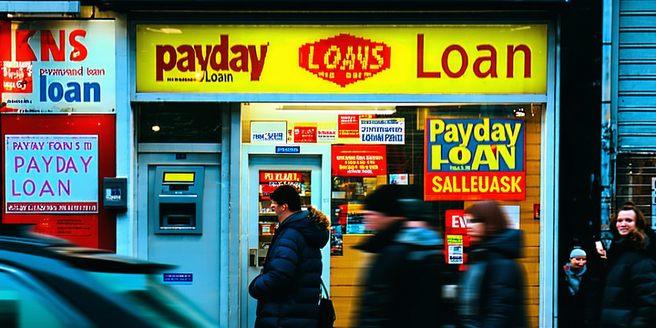
Understanding Payday Loans: A Basic Overview
Payday loans are short-term, high-interest loans typically used by individuals needing quick cash to cover emergency expenses until their next paycheck. These loans are relatively easy to obtain, usually requiring only proof of income and a valid ID, making them accessible to borrowers with low credit scores who might face challenges securing traditional loans. However, the convenience of payday loans comes at a cost, as they often have high fees and interest rates that can lead to a cycle of debt if not managed properly. It is crucial for borrowers to fully understand the terms and conditions of payday loans before committing, as well as the potential ramifications of not repaying them on time, which can exacerbate financial difficulties and negatively impact credit scores.
The Pros and Cons of Payday Loans for Low Credit
Payday loans offer several advantages, particularly for individuals with low credit who face difficulty obtaining other types of credit. The main benefit is the accessibility, as lenders typically do not conduct stringent credit checks, allowing those with poor credit histories to secure funds quickly. However, this benefit is offset by significant drawbacks. The high-interest rates and fees associated with payday loans can escalate the cost of borrowing. Failure to repay on time may result in additional fees, ultimately increasing the financial burden. Additionally, reliance on payday loans can create a cycle of debt, where borrowers continually renew loans to manage outstanding balances. Understanding these pros and cons is essential for individuals considering payday loans as a financial solution in situations of financial need.
How Payday Loans Impact Your Credit Score
Payday loans can indirectly affect your credit score, even though they are not usually reported to credit bureaus. The most significant impact arises when a borrower defaults on a loan. If a payday lender sells the unpaid debt to a collections agency, it will likely appear on the borrower’s credit report, which can substantially reduce their credit score. Furthermore, consistently relying on payday loans may limit an individual’s ability to improve their credit score, as they are often unable to demonstrate responsible credit behavior through traditional lines of credit. It is important for borrowers to consider these potential impacts carefully and prioritize timely repayment of payday loans to minimize negative credit consequences and maintain a healthy financial standing.
Alternatives to Payday Loans for Those with Low Credit
For individuals with low credit scores, payday loans are often viewed as one of the few available options. However, there are safer alternatives that may offer more manageable terms. One alternative is seeking assistance from a credit union, which often provides small loans at lower interest rates for members. Additionally, installment loans from reputable lenders can offer more extended repayment plans with lower interest rates compared to payday loans. Nonprofit credit counseling services can also help individuals create a financial plan and negotiate with creditors to establish better repayment terms. Exploring these alternatives, along with budgeting and creating an emergency fund, can provide more sustainable options for managing financial difficulties without resorting to high-cost payday loans.
Navigating the Application Process for Payday Loans
Navigating the payday loan application process requires careful attention to detail. Initially, applicants must provide proof of income, a valid ID, and a bank account to the lender. It is crucial to clearly understand the loan terms, including interest rates, fees, and the due date before proceeding. Borrowers should ask the lender to explain any unclear terms and request a written agreement outlining the loan conditions. After the application is submitted and approved, funds are typically deposited into the borrower’s account quickly. It’s critical for applicants to plan for repayment by assessing their budget to ensure timely payments, preventing additional fees or financial strain. By approaching the process with diligence, borrowers can better manage the financial obligations associated with payday loans.
Tips for Responsible Payday Loan Borrowing
Responsible payday loan borrowing involves careful planning and management. Borrowers should only take out loans for essential and urgent needs, ensuring that the amount borrowed does not exceed their ability to repay within the agreed timeframe. It is important to read and fully comprehend the loan agreement, focusing on interest rates and total repayment costs. Maintaining open communication with the lender in case of potential repayment issues can help negotiate more favorable terms. Additionally, borrowing from lenders with transparent practices and reputable track records can minimize the risks associated with payday loans. By adhering to these tips, borrowers can use payday loans in a manner that avoids undue financial strain and supports their short-term financial goals.
