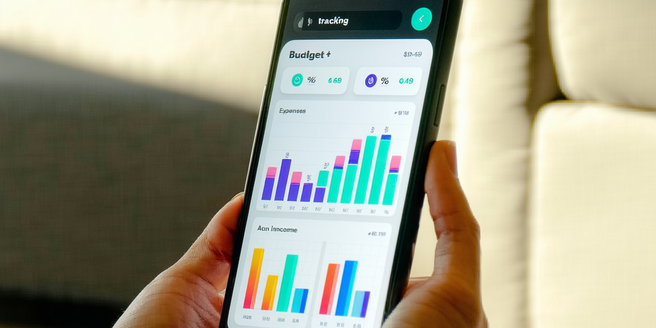
Understanding Basics of Financial Apps
| App Feature | Description | Benefit |
| Budget Tracking | Monitors income and expenses | Keeps you within budget |
| Metrics Analysis | Provides spending insights | Identifies spending patterns |
| Loan Management | Tracks loan balances | Keeps track of repayments |
| Alerts and Reminders | Notifies about due dates | Prevents late payments |
| Security Features | Data encryption methods | Protects personal information |
Key Features of Loan Management Tools
Loan management tools have become an essential part of personal finance apps. They offer features designed to simplify the process of managing various loan types. These tools can track balances, interest rates, and repayment schedules, providing a comprehensive overview of your loan obligations. Many of these apps also come with fine financial calculators to help determine how different payment strategies affect the loan term and interest paid over time. With options to set up automatic repayments and receive due date alerts, these loan management features aim to prevent late payments and incurring additional fees. Customizable reports based on repayment history further aid in analyzing past financial behaviors to improve future decisions, making the integration of loan management tools into financial apps a crucial component for users looking to streamline their financial lives.
Comparing Popular Financial Apps
The market is flooded with numerous financial apps, each offering unique functionalities tailored to the needs of their users. Some of the most popular include Mint, YNAB (You Need a Budget), and PocketGuard. Mint provides a user-friendly platform, offering everything from budgeting tools to credit score monitoring. YNAB, on the other hand, focuses more on proactive budgeting by enabling users to set goals and allocate money accordingly, encouraging users to live below their means. PocketGuard simplifies budgeting by categorizing your spending, alerting you on how much disposable income you have after bills, goals, and necessities. Each of these applications caters to different aspects of financial management, making it crucial for users to compare features against their financial needs. Ultimately, the right app provides a balance between comprehensiveness and user-friendliness, allowing users to maintain control over their financial situations.
How to Choose the Right App for You
Choosing the right financial app requires assessing your financial objectives and personal preferences. If comprehensive budget tracking is your goal, finding an app that categorizes spending and aligns with your financial planning style is essential. Evaluate the range of available features, such as budgeting, savings goals, credit score monitoring, and loan management capabilities. User interface and ease of navigation are also crucial, as having an intuitive design encourages consistent use. Moreover, reviewing user reviews and trial options can provide insights into the app’s reliability and customer service. Ultimately, the appropriate choice should match your personal finance style, offering enough features to handle your financial landscape efficiently without overwhelming you with complexities you don’t need.
Setting Up Your Loan Details Efficiently
Efficient setup of loan details within a financial app begins with accurate input of all loan-related data, including principal amount, interest rates, and payment schedules. It’s crucial that this information is up-to-date and correctly reflects your loan conditions to commence accurate monitoring. Utilize interactive features to simulate various repayment scenarios by adjusting monthly payment amounts or frequencies, allowing for an informed assessment of the impact on interest accrual and payoff timelines. Leveraging these simulations helps in identifying payments that align with your broader financial goals. Additionally, don’t shy away from customizing alerts or notes within the platform to keep abreast of future due dates. An efficient setup serves as the foundation for informed decision-making as you navigate through your financial commitments.
Monitoring Payments and Due Dates
Financial apps excel at providing detailed monitoring of payments and due dates. Effective use requires consistent input of payment information and keeping it synced with your accounts. Most apps offer visual dashboards summarizing payments, balances, and the next due date, providing a snapshot of your financial obligations at a glance. You can set up reminders or alarms to ensure timely payments, preventing late fees. Some apps even facilitate automatic payments, simplifying the process further by deducting the amount due directly from your account. Monitoring payment history aids in recognizing repayment patterns, offering the opportunity to refine your budget according to observed tendencies. This vigilant approach to monitoring fosters disciplined financial management, mitigating risks associated with missed or late payments.
Utilizing Alerts and Reminders
Alerts and reminders are vital features in financial apps, aiding in timely payment management. These notifications can be customized to alert users days before a payment is due, allowing ample time for financial preparation. They prevent the common mishap of forgetfulness which often results in late payments and incurring unnecessary penalties. Most apps provide flexibility in setting the frequency and format of alerts, accommodating varied user preferences. Additionally, apps that sync reminders with calendars offer seamless integration into daily schedules, further enhancing their effectiveness. This automated approach not only promotes punctuality in payments but also assists in maintaining healthy financial habits. Utilizing these alerts judiciously ensures that your financial undertakings remain within the boundaries of your plans, safeguarding against unpredictable financial strain.
Analyzing Payment Schedules and Interest
In the realm of financial apps, analyzing payment schedules and interest becomes an accessible task. These apps offer visualization tools, indicating how each payment influences the loan’s principal and interest over time. By comprehending these details, users can make more informed decisions about early repayment or increasing payment amounts to save on interest expenses. Many apps also accommodate the review of amortization schedules, breaking down each payment to show the portion allocated to interest and principal reduction. Through continuous analysis, users discover opportunities to alter their repayment plan beneficially, such as adjusting payment frequencies to coincide with income flow. This tactical analysis transforms loan management from a daunting obligation to a conscious, well-informed financial strategy.
Security Concerns and Data Privacy
Financial apps must uphold the highest standards of security and data privacy, given the sensitive nature of personal financial information. App developers implement stringent security protocols, including data encryption, two-factor authentication, and frequent software updates to protect against vulnerabilities. Despite these measures, users must remain vigilant and take additional precautions such as using strong, unique passwords and regularly monitoring suspicious activity. Familiarizing oneself with the app’s privacy policy clarifies how personal data is collected, stored, and used, ensuring transparency. With an ever-evolving landscape of cyber threats, evaluating an app’s security measures before integrating it into personal finance practices is crucial. Prioritizing security and privacy can guard against potential breaches, preserving trust in digital financial management.
Future Trends in Financial Apps
The future of financial apps is poised for advancement, driven by emerging technologies like artificial intelligence and machine learning, which promise heightened personalization through predictive analytics. Anticipated developments include more robust integration of blockchain technology for secure, transparent transactions and a move toward open banking platforms that allow seamless data exchange between financial institutions. There’s a growing trend toward gamification, introducing elements that engage users through rewards and progress tracking, particularly appealing to younger demographics. Additionally, we can expect a surge in voice-activated financial management as smart speaker adoption increases, allowing for more hands-off interaction. Future apps will likely place greater emphasis on sustainability, offering insights into ethical financing and environmental impact, aligning with the rising consumer demand for socially responsible financial practices.