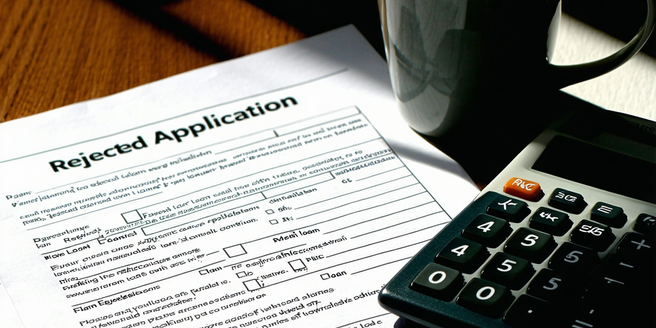
Understanding Bad Credit and Its Impact on Loan Approval
Bad credit can significantly impact your ability to secure loans. Credit scores below 580 are generally considered poor, often leading to loan denials or higher interest rates. Lenders perceive individuals with bad credit as high-risk borrowers due to their history of missed payments, defaults, or bankruptcies. Consequently, traditional lenders may be hesitant to offer loans or may impose stringent conditions. It’s crucial to understand the factors contributing to a bad credit score, such as payment history, credit utilization, and length of credit history. Being aware of these elements allows you to take corrective measures, potentially improving your credit score over time, and increasing the likelihood of loan approval. By addressing these areas, you can work towards enhancing your creditworthiness and accessing better financing options in the future.
Exploring Types of Small Loans Available to Bad Credit Holders
For individuals with bad credit, various small loan options are available that can meet diverse financial needs. One common type is the personal loan, which can be secured or unsecured, depending on the lender’s requirements. Secured personal loans may require collateral, such as a vehicle or savings account. Payday loans are another option, but they often come with high interest rates and should be approached cautiously. Credit unions and online lenders sometimes offer more flexible terms for bad credit borrowers, often focusing on income stability rather than credit score alone. Peer-to-peer lending platforms are also gaining popularity, allowing individuals to borrow directly from investors. It’s important to thoroughly research each option, understanding the terms and conditions, to select the best loan type for your financial situation.
Steps to Improve Your Credit Score Before Applying
Enhancing your credit score before applying for a loan can significantly improve your chances of approval. Start by obtaining a free credit report to identify errors and negative marks. Dispute inaccuracies with credit reporting agencies to amend your score. Prioritize paying down outstanding debts, focusing on high-interest accounts first to lower your credit utilization ratio. Establishing a more consistent payment history by paying bills on time is crucial, impacting 35% of your score. Avoid opening new accounts or closing existing ones rapidly, as these actions can negatively affect your score. Consider using secured credit cards to build a positive payment history, equilibrating payments to ensure you’re not maxing out credit limits. These steps can gradually enhance your credit profile, making you a more attractive candidate for loan approval.
Alternative Lenders: A Viable Option for Bad Credit Borrowers
Alternative lenders can be a viable solution for borrowers with bad credit seeking small loans. Unlike traditional financial institutions, these lenders often have more lenient eligibility criteria, focusing less on credit scores and more on income verification and financial stability. Online lenders and peer-to-peer lending platforms are becoming increasingly popular, offering competitive rates and flexible terms. Additionally, community banks and credit unions may provide personalized loan offerings, considering a holistic view of your financial history. Such lenders can often provide faster loan processing times, catering to emergency financial needs. When considering alternative lenders, it’s crucial to compare interest rates, fees, and borrower reviews to ensure a reputable lender is selected. This approach increases the likelihood of securing a loan that aligns with your financial circumstances.
How to Prepare a Strong Loan Application with Bad Credit
When applying for a loan with bad credit, compiling a robust application can make a considerable difference. Start by understanding the lender’s specific requirements and tailoring your application accordingly. Accurate and complete documentation, such as proof of income, tax returns, and bank statements, is crucial. Craft a compelling explanation of your bad credit situation, highlighting recent improvements or stable income streams. Consider including a strong co-signer with good credit to strengthen your application. Presenting collateral can also mitigate lender concerns, making approval more likely. Preparing a reasonable repayment plan that demonstrates your ability to meet payment obligations will further bolster your application. By prioritizing transparency and thoroughness, you can enhance your credibility as a borrower, increasing the likelihood of loan approval despite a less-than-perfect credit history.
Understanding Interest Rates and Terms for Bad Credit Loans
Comprehending the intricacies of interest rates and terms for bad credit loans is paramount for borrowers. Typically, individuals with bad credit are subjected to higher interest rates, as lenders mitigate the perceived risk. It’s essential to compare annual percentage rates (APRs) across various lenders and understand the implications on total repayment amounts. Some loans may include fixed rates, providing payment consistency, while others may have variable rates that fluctuate. Loan terms can also vary significantly, impacting monthly payment amounts and total interest paid over time. Carefully read the loan agreement to identify any fees or penalties for early repayment. Understanding these components allows you to assess the true cost of the loan and make an informed borrowing decision, ensuring it aligns with your financial capabilities and needs.
